-
Colored sand glow bright in kids classrooms shop windows art therapy festival fun micro worlds where colors mix with textures spark joy for daily little creations colored sand
Colored sand emerges as core material in global construction, decoration, and industrial fields, bridging natural mineral resources and human creative needs. Unlike ordinary sand with monotonous gray hue, colored sand gains vivid tones through natural geological processes or eco-friendly artificial pigmentation, carrying dual advantages of natural texture and stable color. Its application spans from grand architectural facades to delicate craftworks, from urban landscape projects to industrial surface treatments, forming unique industrial chain that aligns with sustainable construction and eco-friendly decoration trends. As industries pursue low-carbon transformation and consumers demand materials with both aesthetic value and durability, colored sand breaks through traditional application boundaries, integrating into urban renewal, rural revitalization, and high-end craft manufacturing scenarios, demonstrating enduring vitality and innovative potential.Raw material foundation of colored sand determines its texture and color expression, with two main sources: natural colored sand and synthetic colored sand. Natural colored sand originates from natural mineral deposits formed through millions of years of geological evolution—quartz sand, feldspar sand, and marble sand are primary carriers, with colors derived from trace elements in minerals or weathering effects. Red colored sand from Yunnan, China, gains its hue from iron oxide trace elements in quartz sand; yellow colored sand from Arizona, USA, comes from feldspar sand containing potassium and sodium oxides; green colored sand from Norway is formed by serpentine mineral weathering, carrying unique emerald tones. Mining of natural colored sand adheres to strict ecological protection standards: in Norway’s serpentine mines, miners adopt selective digging to avoid large-scale vegetation destruction; after extraction, topsoil is preserved and reused for reforestation, with native moss and shrubs planted to restore soil stability. Synthetic colored sand, by contrast, uses high-purity natural sand (such as quartz sand with low impurity content) as base material, then undergoes surface pigmentation with eco-friendly inorganic pigments. Pigments used are mainly iron oxide, titanium dioxide, and chromium oxide—non-toxic, light-resistant, and chemically stable, ensuring colored sand retains color without releasing harmful substances. This dual raw material system not only secures diverse color supply but also adapts to different application scenarios: natural colored sand is preferred for projects pursuing earthy texture, while synthetic colored sand dominates fields requiring uniform color and high consistency.Production process of colored sand combines natural processing and modern eco-friendly technology, ensuring product quality while minimizing environmental impact. For natural colored sand, mined mineral sand undergoes physical processing: first, crushing into coarse particles using jaw crushers, then screening to remove oversized impurities; subsequent washing with clean water removes dust and clay, preserving natural mineral luster; drying in solar-powered drying yards (instead of fossil fuel heaters) reduces energy consumption; final screening classifies particles into different sizes—fine sand (0.1-0.3mm) for coatings and crafts, medium sand (0.3-0.6mm) for landscape paving, coarse sand (0.6-1.2mm) for architectural aggregates. Synthetic colored sand production follows strict environmental procedures: base sand is first purified to remove impurities that affect pigment adhesion; then mixed with inorganic pigments and small amounts of eco-friendly binders in rotating drums, ensuring uniform pigment coating on sand surface; curing at moderate temperatures (avoiding high-temperature calcination that increases energy use) enhances color fastness; final cooling and screening ensure particle size consistency. Both production modes avoid toxic chemical additives and excessive energy consumption: natural colored sand processing uses only physical methods, while synthetic colored sand uses water-based binders and low-temperature curing, embodying eco-friendly production principles.Core characteristics of colored sand—natural texture, color stability, durability, and compatibility—make it indispensable across diverse industries, setting it apart from ordinary decorative materials. Natural texture is most distinctive trait of colored sand: each particle retains natural mineral lines and roughness, creating unique tactile and visual effects. When used in architectural facades, colored sand forms matte or semi-matte surfaces that reflect soft light, avoiding glare caused by smooth materials; in craftworks, its granular texture adds three-dimensional sense, making works more lifelike. Color stability is another key advantage: natural colored sand’s hues come from inherent mineral components, resisting UV radiation and weathering; synthetic colored sand uses inorganic pigments with strong light resistance—colored sand used in outdoor landscapes retains original tone for over 15 years, while organic-pigmented materials might fade to pale shades within 3 years. Durability of colored sand is verified in practical applications: when mixed into concrete, it increases surface abrasion resistance by 40%, making it suitable for high-traffic areas like shopping mall floors; when used as coating additive, it enhances film hardness, preventing scratches and cracks. Compatibility is also notable—colored sand mixes seamlessly with concrete, mortar, paint, epoxy resin, and plastic, adapting to diverse processing techniques such as spraying, paving, casting, and bonding. This versatility allows colored sand to integrate into multiple industries, from construction to crafts, meeting varied functional and aesthetic needs.Construction industry integrates colored sand into diverse projects, from sustainable buildings to historical renovations, enhancing both functionality and aesthetics. Green building projects, a core part of sustainable construction, widely use colored sand in exterior and interior decorations. For example, low-carbon office buildings in Berlin, Germany, use red and yellow natural colored sand mixed into exterior wall mortar; the earthy hues blend with surrounding urban greenery, while sand’s thermal insulation performance reduces indoor heating demand by 30%. Historical building renovations prioritize natural colored sand to maintain architectural authenticity—restoration of ancient castles in France uses gray and brown natural colored sand to replicate original stone wall textures, with sand particle size adjusted to match historical masonry, ensuring consistency in touch and appearance. Residential construction uses colored sand in decorative elements: yellow synthetic colored sand mixed into floor tiles creates warm, comfortable living spaces; red colored sand used in kitchen backsplashes adds vivid focal points without losing natural texture. Infrastructure projects like pedestrian bridges and plazas use colored sand in paving materials: blue and green colored sand mixed into concrete paving blocks form pattern resembling riverbeds, enhancing urban landscape continuity; coarse colored sand added to anti-slip coatings on bridge surfaces improves walking safety in rainy weather. Construction engineers value that colored sand is compatible with various construction materials, including cement, lime, and gypsum, without affecting structural strength, while adding unique aesthetic value.Landscape design industry relies on colored sand to create natural, durable outdoor spaces that blend with ecological environments. Urban parks and gardens are major application scenarios: brown natural colored sand is used in dry landscape gardens to simulate sand dunes, matching with rocks and succulents to create Zen-style spaces; blue synthetic colored sand lines artificial streams, mimicking clear water effects with its vivid hue. Children’s playgrounds use colored sand in safety surfaces and decorative elements: red and yellow fine colored sand mixed into rubber mats forms soft, non-toxic playing surfaces; colored sand-filled plastic modules spell out cartoon patterns, attracting children while ensuring safety. Residential courtyard design uses colored sand in diverse ways: white colored sand surrounds flower beds to highlight plant colors; black colored sand paves small paths, creating contrast with green lawns. Public waterfront projects use colored sand to resist water erosion: in Singapore’s Marina Bay, brown and gray colored sand mixed into concrete revetments forms natural stone-like surfaces that withstand wave impact, while blending with coastal landscape. Landscape architects emphasize that colored sand’s natural texture and stable color reduce maintenance needs—outdoor colored sand decorations rarely require repainting or replacement, even after years of rain and sunlight exposure.Decorative and craft industries use colored sand to create unique works that combine aesthetics and durability, spanning interior decoration, handcrafts, and art installations. Interior decoration trends favor natural elements, making colored sand popular in wall finishes and decorative art. Boutique hotels in Tokyo, Japan, use green and brown natural colored sand in lobby wall murals; artists spread colored sand on adhesive backgrounds to form mountain and forest patterns, with granular texture adding depth and realism. Residential interiors use colored sand in custom decorations: blue synthetic colored sand mixed into epoxy resin creates desktop with ocean-like appearance; red colored sand embedded in wooden photo frames adds natural warmth. Handcraft manufacturing is major application field for colored sand: craft makers in Mexico use fine colored sand to create sand paintings, layering different hues to form vivid folk patterns; in China, colored sand is filled into glass bottles to make three-dimensional landscape ornaments, with color combinations reflecting seasonal changes. Public art installations use colored sand for temporary or permanent displays: in Paris’s Champs-Élysées, artists used 100 tons of colored sand to create giant ground murals depicting city history, which remained intact for two months despite heavy foot traffic; permanent artworks in urban squares use colored sand mixed into concrete to form abstract patterns, resisting weathering and retaining artistic value for decades.Industrial manufacturing sectors beyond construction and decoration integrate colored sand to enhance product performance and appearance. Coatings and paints industry uses colored sand as functional additive: fine red colored sand added to exterior wall paints creates textured finishes that hide wall defects; black colored sand mixed into industrial coatings for machinery enhances wear resistance and heat dissipation. Plastics and rubber industry uses colored sand to add texture and color: yellow colored sand mixed into plastic outdoor furniture prevents UV-induced fading while adding non-slip texture; green colored sand added to rubber floor mats for gyms increases friction and durability. Ceramic industry uses colored sand in glaze formulations: brown natural colored sand mixed into ceramic glazes creates rustic floor tiles mimicking natural stone; blue synthetic colored sand added to porcelain vases forms unique speckled patterns. Packaging industry uses colored sand in eco-friendly packaging materials: colored sand embedded in cardboard boxes for luxury goods adds tactile texture, enhancing brand image while remaining recyclable. Manufacturers across sectors appreciate that colored sand is non-toxic and complies with global safety standards, making it suitable for consumer products ranging from children’s toys to household appliances.Urban public facility construction leverages colored sand to create durable, aesthetically pleasing spaces that serve community needs. Public transportation hubs, such as subway stations and bus terminals, use colored sand in decorative and functional elements: gray synthetic colored sand mixed into wall finishes hides dirt and reduces cleaning frequency; red and yellow colored sand used in floor markings guides passenger flow clearly. Street furniture, including benches and trash cans, uses colored sand in surface treatments: brown colored sand mixed into concrete benches resists rain and sun damage, maintaining natural appearance for years; green colored sand added to plastic trash can surfaces adds visual appeal while preventing scratches. Urban signboards and public artworks use colored sand for high visibility and durability: blue colored sand mixed into epoxy resin forms traffic sign backgrounds that remain vivid in strong sunlight; colored sand used in community murals depicts local culture, with stable colors resisting graffiti and weathering. Urban planners note that colored sand’s low maintenance cost and natural aesthetics align with smart city goals of efficient resource utilization and human-centric design.Quality control of colored sand runs through entire production and application process, ensuring product consistency and performance. Raw material inspection focuses on purity and color stability: natural mineral sand is tested for impurity content using X-ray fluorescence spectrometry; synthetic base sand is analyzed for particle size distribution to ensure pigment adhesion. In-process testing monitors key parameters: particle size is measured with laser diffraction analyzers; color coordinates are checked with spectrophotometers to ensure batch uniformity. For synthetic colored sand, additional tests include pigment adhesion (rubbing sand particles to check for color loss) and light resistance (exposing samples to simulated sunlight for 1000 hours). Final product testing includes durability evaluations: abrasion resistance testing uses rotating sandpaper to assess surface wear; water resistance testing soaks samples in water for 72 hours to check for color bleeding. Manufacturers provide detailed quality reports for each batch, including test data and production records, to ensure traceability. Third-party certification bodies, such as ISO and ASTM, conduct regular audits to confirm that quality control systems meet international standards.

-
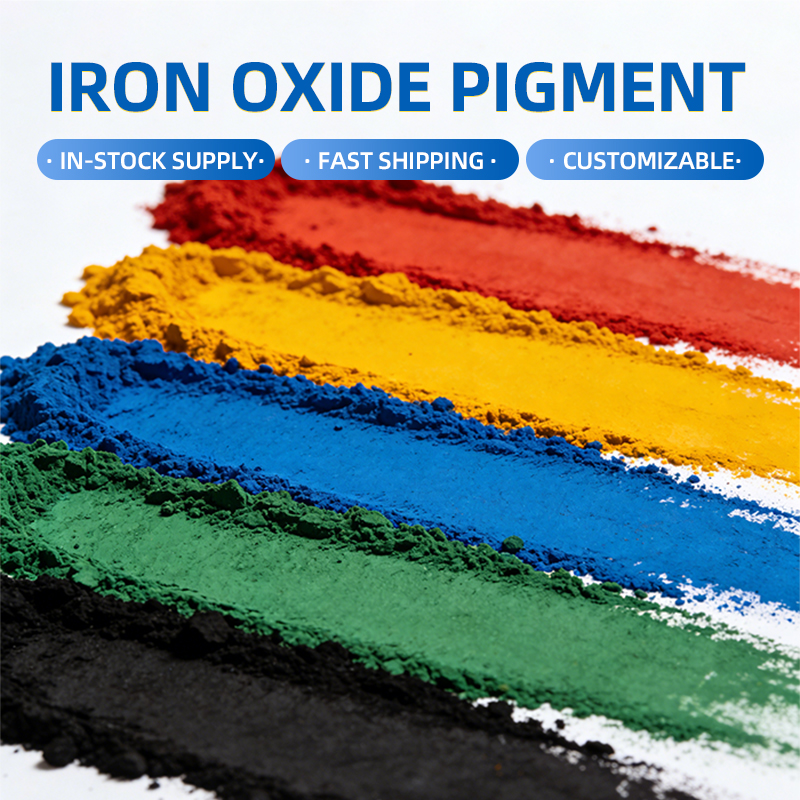
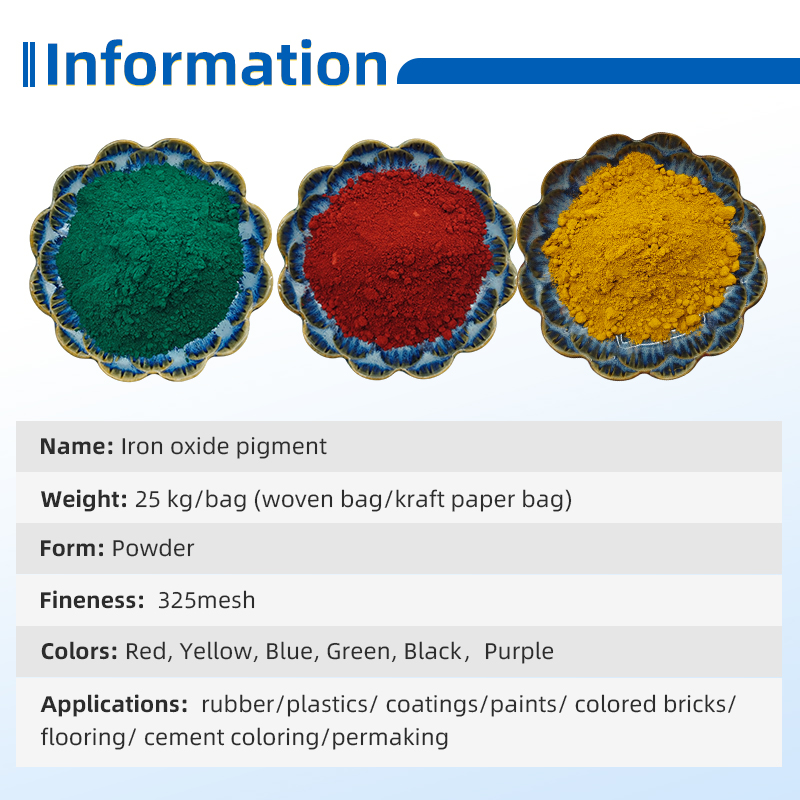
Iron oxide pigments for architectural coatings industrial finishes construction materials artistic creations outdoor decor
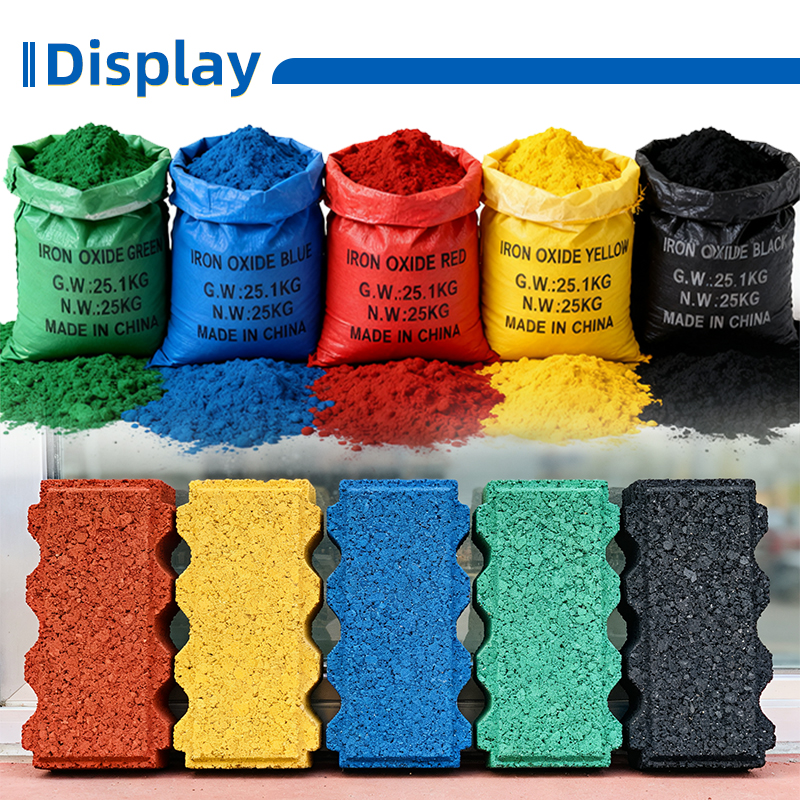
Iron oxide pigments stand as essential components in numerous industries, offering rich, stable colors that enhance appearance and durability of various products. These pigments derive from natural or synthetic sources—natural variants extracted from mineral deposits, synthetic ones produced through controlled chemical reactions—boasting unique properties that make them indispensable in fields ranging from construction to art. Unlike many other colorants, iron oxide pigments resist fading caused by sunlight, moisture, and extreme temperature changes, ensuring long-lasting vibrancy in diverse environments, from arid deserts to humid coastal areas. Their compatibility with different substrates—including concrete, metal, wood, and plastics—also makes them versatile choice for professionals and enthusiasts alike, seamlessly integrating into various production and creative processes without compromising performance.Architectural coatings represent one of primary applications for iron oxide pigments. Paints and primers containing these pigments adorn exteriors and interiors of buildings, providing not only aesthetic appeal but also robust protection against harsh elements such as acid rain and industrial pollutants. Exterior wall paints infused with iron oxide pigments maintain their color even after years of exposure to rain, snow, and UV rays, reducing need for frequent repainting and lowering long-term maintenance costs. Interior spaces benefit from warm, earthy tones of iron oxide pigments—shades like terracotta, ochre, sienna, and burnt umber add warmth to living rooms, bedrooms, and commercial lobbies, creating cozy and inviting atmospheres. Decorative coatings for ceilings, columns, and moldings also use these pigments to create textured or matte finishes; when mixed with inert fillers, they form finishes that mimic natural stone, elevating overall design while maintaining affordability.Industrial finishes rely heavily on iron oxide pigments to enhance both function and appearance of machinery, equipment, and metal structures. Manufacturers incorporate these pigments into coatings for automotive parts (such as wheel rims and undercarriage components), farm machinery exposed to outdoor elements, and industrial pipes transporting fluids—forming protective barrier against rust and corrosion that extends service life of these products. Color coding of industrial components also uses iron oxide pigments—distinct hues (like rust red, deep brown, and olive green) help workers identify different parts, pipelines, and safety equipment quickly, improving safety and efficiency in factories and construction sites. Even metal furniture and appliances feature finishes containing iron oxide pigments, as they resist scratches, stains, and daily wear, maintaining sleek appearance over time while withstanding frequent cleaning.Construction materials represent another major area where iron oxide pigments shine. Concrete products such as paving stones, bricks, roof tiles, and decorative aggregates are often colored with these pigments, transforming plain gray material into visually appealing elements that blend with surrounding landscapes. Colored concrete pavers line walkways, driveways, and plaza floors, adding character to residential and commercial properties while resisting abrasion from foot and vehicle traffic. Roof tiles tinted with iron oxide pigments not only complement building exteriors but also reflect sunlight to reduce indoor temperatures, contributing to energy efficiency in buildings. Even precast concrete elements like fences, retaining walls, and decorative panels use these pigments to match architectural styles—from modern minimalist designs with bold, solid colors to traditional styles mimicking natural stone textures—without sacrificing structural integrity.Artistic creations and crafts benefit greatly from unique properties of iron oxide pigments. Artists have used natural iron oxide pigments for centuries—valued for their opacity and lightfastness—as they blend easily with binders (such as linseed oil for oils, gum arabic for watercolors) to create oil paints, watercolors, pastels, and even frescoes. These pigments offer rich, earthy tones that add depth and realism to landscapes (capturing soil and rock hues), portraits (enhancing skin tones), and abstract works (providing bold, grounded colors). Crafters incorporate iron oxide pigments into pottery and ceramics, applying them as glazes or underglazes; when fired, pigments fuse with clay surfaces to create intricate patterns and textures that resist chipping. Even DIY projects like homemade candles, soap, resin art, and handmade paper use these pigments to add color, as they mix well with different mediums, retain their hue without bleeding, and remain stable under varying conditions.Outdoor decor and landscaping projects also leverage durability and color stability of iron oxide pigments. Garden ornaments such as statues, planters, birdbaths, and decorative fountains are coated with pigments to resist fading, weathering, and mold growth, ensuring they remain attractive in gardens for years regardless of sun exposure or rainfall. Colored mulch and decorative stones treated with iron oxide pigments add pops of color to flower beds, borders, and pathways, enhancing overall beauty of outdoor spaces while resisting leaching of color into soil. Public parks and recreational areas use these pigments in decorative concrete elements like benches, picnic tables, and playground surfaces—formulating them into non-slip coatings that withstand heavy use, extreme temperatures, and frequent exposure to water, ensuring safety and longevity.Another advantage of iron oxide pigments is their exceptional consistency in color. Unlike natural dyes that vary in shade due to differences in source materials and extraction processes, these pigments undergo strict quality control during production, offering uniform color batches that match precise specifications. This consistency ensures that products maintain consistent appearance across production runs—critical for industries like construction (where matching wall paints or concrete elements across large projects is essential) and automotive (where replacement parts must blend seamlessly with original finishes). Professionals trust iron oxide pigments to deliver predictable results, reducing rework, saving time, and minimizing material waste that comes with color mismatches. -
Natural and artificial black rubber granules core materials for road construction and artificial grass applications
Rubber granules derive primarily from recycled waste tyres and other rubber products, undergoing processes like mechanical crushing and chemical modification to form particles of varying sizes. These versatile materials have gained widespread attention across multiple industries due to their unique physical properties and cost-effective advantages.In road construction sector, rubber granules play a pivotal and irreplaceable role in modifying asphalt and enhancing comprehensive pavement performance. When evenly blended with bitumen, rubber granules not only improve the elasticity and deformation resistance of asphalt mixtures significantly but also enhance the mixtures’ ability to withstand repeated vehicle loads, thereby reducing the occurrence of rutting, cracking, and potholes under extreme temperature changes—whether it is the high-temperature baking in summer or the low-temperature freezing in winter. Such modified asphalt further exhibits superior fatigue resistance and water damage resistance, which can effectively extend the overall service life of road surfaces by 30% to 50% compared with traditional asphalt pavements. Recent large-scale trials in rural road sealing projects in multiple regions have demonstrated that incorporating rubber granules as aggregate substitutes not only reduces the consumption of natural aggregates but also effectively lowers maintenance needs and eliminates dust emissions, bringing practical and tangible benefits to local residents’ travel and daily life. The preparation of rubber asphalt requires precise control of mixing temperature, mixing time, and other key conditions to ensure the uniform dispersion of rubber granules in the bitumen matrix, thereby maximizing their performance-enhancing effects and avoiding local agglomeration that may affect pavement quality.Sports and recreation facilities represent another major and fast-growing application area for rubber granules. As a core infill material for artificial grass, rubber granules fill the gaps between artificial grass fibers, providing soft, shock-absorbent, and anti-slip playing surfaces. This not only improves the safety of athletes during sports—effectively reducing the risk of falls and injuries—but also enhances the overall playing experience by simulating the feel of natural grass. Colored rubber granules, which are processed by adding environmentally friendly pigments during production and available in various vivid hues like green, red, blue, and yellow, are widely used in the construction of running tracks, football fields, tennis courts, and children’s sports grounds. These colored rubber granules not only meet the aesthetic and functional partitioning requirements of sports venues but also possess excellent properties such as wear resistance, UV protection, flame retardancy, and weather resistance, ensuring that the color and performance of the venue surface remain stable for a long time. EPDM rubber granules, a specific type of high-performance synthetic rubber granules, are particularly favored in professional sports facilities due to their outstanding oxidation resistance, ozone resistance, and low-temperature flexibility. Even under harsh environmental conditions such as strong ultraviolet radiation, heavy rainfall, and large temperature differences, EPDM rubber granules can maintain their structural integrity and performance stability, ensuring the long-term durability of sports facilities.Production technologies of rubber granules continue to innovate and evolve, with physical crushing and low-temperature freezing crushing being the mainstream methods in the industry. Physical crushing technology, which typically includes processes such as tire shredding, steel wire separation, and granulation, is widely used due to its mature process and low production cost. However, it may cause partial aging of rubber due to the friction heat generated during crushing. In contrast, low-temperature freezing crushing technology uses liquid nitrogen to quickly cool waste rubber to a brittle state, then crushes it into granules. This method minimizes rubber aging during processing, producing granules with regular shapes, uniform particle sizes, and rough surfaces that can bond more firmly with other materials. After the initial crushing, subsequent grading and screening processes, which use multi-layer sieves of different meshes, classify rubber granules into various size ranges to precisely adapt to diverse application needs—for example, fine rubber granules with particle sizes below 1mm are suitable for asphalt modification, medium-sized granules of 1-3mm are used for artificial grass infill, and coarse granules above 3mm are applied for road base filling and shock absorption layers. In addition, chemical modification technologies such as surface activation and grafting modification further enhance the compatibility and bonding strength between rubber granules and bitumen, polymer materials, and other substrates, optimizing the overall performance of composite materials and expanding the application boundaries of rubber granules.The global rubber granules market is experiencing steady and sustained growth, driven by the increasing global infrastructure construction investment, the continuous expansion of sports and recreation facility construction, and the growing emphasis on waste tyre recycling. North America and Europe remain the dominant markets for rubber granules, thanks to their mature waste recycling systems, strict environmental regulations, and high demand for high-quality sports facilities. In these regions, the application of rubber granules in road construction and professional sports venues is highly standardized. Meanwhile, the Asia-Pacific region shows strong and rapid growth momentum, fueled by the accelerating urbanization process, large-scale road network construction, and the rising popularity of sports activities in emerging economies such as China, India, and Southeast Asian countries. Major market players in the global rubber granules industry are focusing on technological innovation to improve product quality and production efficiency, as well as capacity expansion to meet the growing market demand. Industry collaboration has also become a key trend—raw material suppliers, production enterprises, and downstream application companies are strengthening cooperation to optimize the supply chain, address the variability of waste tyre raw materials, and jointly promote the standardization and upgrading of the rubber granules industry.Despite their widespread applications and significant market potential, rubber granules still face certain challenges and bottlenecks in the process of industrial development. One of the key challenges is odor control during processing and application. During the production of rubber granules, especially high-temperature processing processes, and when used in high-temperature environments such as summer road surfaces or enclosed sports venues, rubber granules may release volatile organic compounds, resulting in unpleasant odors that affect user experience. Another major challenge is the optimization of dosage in different mixtures. The optimal dosage of rubber granules varies significantly depending on the application scenario—for example, the dosage in asphalt modification is different from that in artificial grass infill, and excessive or insufficient dosage may seriously affect the performance of end products, such as reducing pavement strength or decreasing shock absorption effect. This requires ongoing in-depth research and a large number of experimental verifications to determine the precise optimal proportions for different application scenarios. Additionally, the establishment of unified and authoritative industry standards and testing methods remains an urgent task globally. -
Exploring the diverse applications and environmental benefits of recycled black rubber granules
Black rubber granules are tiny, spherical particles made from recycled rubber materials, usually sourced from discarded automobile tires. These granules are a versatile and eco-friendly product that offers numerous benefits and applications.
One of the primary uses of black rubber granules is in the construction of artificial turf fields. These fields, often used in sports such as soccer, football, and hockey, require a stable and shock-absorbent base layer. Black rubber granules provide the perfect solution, as they enhance the cushioning properties of the turf and reduce the risk of injuries to athletes. The black color of the granules also helps to absorb heat, which can improve the melting point of the turf and extend its lifespan.
In addition to sports fields, black rubber granules are also used in playground surfacing, landscape mulching, and road construction. In playgrounds, they offer a safe and durable surface that can withstand heavy foot traffic and provide excellent shock absorption. As landscape mulch, they help to retain soil moisture, suppress weed growth, and add a decorative touch to garden beds. In road construction, black rubber granules can be mixed with asphalt to create a quieter and more durable road surface.
-
Sepiolite Fiber Delivers Excellent Adsorption Capacity Filtration Performance and Structural Enhancement for Industrial Wastewater Treatment Building Materials and Air Purification Applications
Sepiolite fiber is a natural magnesium silicate mineral with distinctive layered chain structure. This structure forms numerous interconnected micro pores and channels, which give sepiolite fiber remarkable physical and chemical properties. Unlike many synthetic materials, sepiolite fiber exists naturally in earth, mainly found in clay deposits, and requires only purification and appropriate processing to unlock its multiple functions. Its appearance presents as slender needle like bundles that can disperse into individual fibers in polar solvents, forming interwoven networks that enhance performance of various products.Core advantage of sepiolite fiber lies in its outstanding adsorption capacity, derived from high specific surface area and abundant active hydroxyl groups on fiber surface. These hydroxyl groups can form hydrogen bonds with different substances, while multi level pore structure—including tiny internal channels and larger inter fiber pores—enables selective capture of impurities. In industrial wastewater treatment, this adsorption capacity becomes particularly valuable. Sepiolite fiber can target heavy metal ions, organic dyes, phenols and oil substances in wastewater, trapping them within its pore structure through physical adsorption and chemical complexation.Application in industrial wastewater treatment demonstrates practical value of sepiolite fiber. When added to reaction tanks or used as filter media in columns, it effectively reduces pollutant concentrations. Modified sepiolite fiber, treated with acids to expand pore size and remove impurities, shows even stronger adsorption performance. After adsorption saturation, sepiolite fiber can be regenerated through simple methods such as elution with salt solutions or heating, allowing repeated use and reducing waste. This regenerability makes it cost effective option for long term wastewater treatment operations, especially for small and medium sized factories.Building materials sector is another key area where sepiolite fiber excels, primarily through structural enhancement and performance optimization. When mixed into cement mortar or gypsum products, slender fibers of sepiolite form three dimensional supporting networks within matrix. These networks block formation and expansion of micro cracks, significantly improving mechanical strength—including compressive and flexural strength—of building materials. For cement mortar, adding appropriate amount of sepiolite fiber can increase flexural strength by over twenty five percent. Additionally, sepiolite fiber regulates moisture in building materials; it absorbs excess moisture in humid environments and releases it in dry conditions, reducing deformation caused by humidity fluctuations.In coatings and insulation materials, sepiolite fiber provides multiple benefits. In water based architectural coatings, its fiber structure creates thixotropic networks that prevent sagging during application while maintaining smoothness during brushing. This structure also prevents settling of pigments and fillers, extending storage stability of coatings. For insulation mortar, porous nature of sepiolite fiber reduces thermal conductivity, enhancing heat preservation effect, while its fiber skeleton prevents powdering of insulation layers, balancing insulation performance and mechanical strength. Fire retardant coatings also benefit from sepiolite fiber’s high temperature resistance, extending fire resistance time of coatings.Air purification represents another important application field for sepiolite fiber. Its adsorption capacity effectively captures harmful gases and particulate matter in air. When made into filter nets or combined with other materials in purification products, it removes volatile organic compounds and formaldehyde from indoor air. Sepiolite fiber also acts as catalyst carrier; loading metal oxides or photocatalysts onto its surface enables catalytic conversion of harmful substances into harmless ones. This combination of adsorption and catalysis makes sepiolite fiber based materials more thorough in air purification, avoiding secondary pollution issues associated with some adsorbents.Versatility of sepiolite fiber stems from synergy between its natural structure and adjustable properties. Its compatibility with other materials allows compounding with resins, clays and catalysts to create customized products for specific needs. Whether in environmental protection, construction or air treatment, sepiolite fiber plays role of functional enhancer, adsorbent or structural stabilizer. As research on modification technologies advances, potential applications of sepiolite fiber continue to expand, from high temperature sealing materials to new energy related fillers. This natural mineral fiber, with its inherent performance advantages and environmental friendliness, remains valuable resource across multiple industrial sectors. -
Diatomaceous earth powder filtration coatings adsorbents construction materials rubber plastics paper manufacturing ceramics water treatment paints asphalt roofing insulation sectors
Diatomaceous Earth Powder originates from fossilized remains of tiny aquatic organisms known as diatoms. These microscopic organisms, after dying, sink to the bottom of water bodies and accumulate over millions of years, forming sedimentary deposits. These fossil deposits then undergo a series of careful processing steps—including mining, crushing, drying, and grading—to be transformed into fine, uniform powder with a range of unique traits. Among these traits, the most prominent one is its highly porous structure, which is formed by the intricate silica shells of the ancient diatoms. This porous structure results in an exceptionally large surface area relative to its volume, a feature that sets it apart from many other industrial powders. This special structure endows the powder with strong adsorption ability, efficient filtration performance, and stable chemical properties that resist reactions with most common industrial substances. Such a combination of traits makes it an essential material across numerous industrial sectors, as it can seamlessly fit into different production workflows without requiring complex adjustments or specialized equipment to utilize.In the filtration sector, diatomaceous earth powder plays an irreplaceable role due to its unique porous makeup. Its microscopic pores act like a natural, highly efficient sieve, capable of trapping tiny suspended particles—some as small as a few micrometers—that ordinary filter media, such as cloth or paper filters, might easily miss. A key application here is in water treatment processes: whether dealing with industrial wastewater from manufacturing plants or raw water sources used in production, adding diatomaceous earth powder to the water causes it to bind with impurities like fine sediment, organic residues, and even small chemical contaminants. As the mixture settles or passes through a filter, the powder traps these impurities, leaving behind clarified water that meets strict industrial use standards. Many factories, from textile mills to chemical plants, rely on this powder for treating their process water, ensuring that the water used in production lines is free from particles that could clog machinery, scratch product surfaces, or interfere with chemical reactions in manufacturing. Beyond water, it also excels in filtering industrial liquids like lubricating oils, hydraulic fluids, and chemical solutions. By removing tiny solid contaminants from these liquids, it not only improves the purity of the final products but also extends the lifespan of the equipment that uses these fluids.The coatings sector benefits greatly from the unique properties of diatomaceous earth powder, making it a popular additive in both industrial and decorative paints. When mixed into paint formulations, its porous nature enhances several key performance metrics: it boosts the hiding power of the coating, meaning fewer coats are needed to achieve full coverage over surfaces. It also improves wear resistance, making painted surfaces more durable against scratches, abrasion, and daily use—an important feature for high-traffic areas or industrial equipment coatings. Additionally, the powder adjusts the bonding force between the coating and the base surface, whether that surface is metal, wood, or concrete, reducing the chances of peeling, cracking, or flaking over time. The porous structure further speeds up the drying time of the coatings by allowing moisture and solvents to evaporate more quickly, which shortens production cycles for manufacturers who apply coatings to large batches of products. For decorative coatings, such as those used in interior design, the powder creates a desirable matte finish by scattering light through its porous structure, avoiding the harsh glare of glossy paints and meeting diverse aesthetic needs. Moreover, paint products infused with diatomaceous earth powder show better resistance to weathering, including UV radiation, rain, and temperature fluctuations, helping exterior painted surfaces maintain their appearance and protective performance for years in outdoor environments.As an adsorbent, diatomaceous earth powder excels in capturing a wide range of impurities, odors, and unwanted substances, making it valuable in various industrial settings. One key application is in waste gas treatment: factories that emit volatile organic compounds, fumes, or other harmful gases pass these emissions through filters filled with diatomaceous earth powder, which traps the harmful substances within its pores before the cleaned gas is released. This helps facilities meet emission standards and improve air quality in their surroundings. The powder also serves as an effective moisture absorber in storage facilities: when placed alongside materials like textiles, paper, or metal parts, it absorbs excess moisture from the air, preventing mold growth, mildew, and corrosion that can degrade products. In oil processing plants, it is used to adsorb excess oil from the surfaces of parts, machinery, or finished products, ensuring cleanliness and preventing oil-related contamination. What makes it particularly reliable is that its adsorption ability remains stable under a wide range of temperature and humidity conditions—from the high heat of industrial ovens to the dampness of storage warehouses—making it a consistent choice for long-term use without losing effectiveness. Unlike some synthetic adsorbents, it also retains its structure even when fully saturated, making it easy to handle and dispose of or regenerate for repeated use in some cases.The construction materials sector values diatomaceous earth powder primarily for its excellent thermal insulation and soundproofing capabilities, as well as its ability to enhance durability. When mixed into wall materials like plaster, drywall, or specialized insulation boards, its porous structure acts as a barrier to heat conduction: in winter, it traps warm air inside buildings, reducing heat loss; in summer, it blocks hot air from entering, helping maintain stable indoor temperatures without over-reliance on heating or cooling systems. Beyond insulation, the powder also absorbs sound waves by dissipating their energy within its pores, lowering noise transmission between rooms or from outdoor environments—making it ideal for use in residential buildings, offices, and industrial workshops where noise control is important. In asphalt road construction, adding diatomaceous earth powder to the asphalt mixture brings multiple benefits: it improves the overall durability of the road surface, enhances wear resistance against heavy traffic, and boosts skid resistance, which is crucial for safety in wet or icy conditions. It also reduces common road issues like oil bleeding (where asphalt binder rises to the surface) and rutting (deep grooves caused by repeated vehicle pressure), extending the service life of roads by several years and significantly cutting down on costly maintenance and repaving work. For roofing materials, such as asphalt shingles or waterproof membranes, the powder adds an extra layer of waterproof performance by filling tiny gaps in the material and creating a dense, water-resistant barrier, protecting buildings from leaks, water damage, and rot in roof structures.The rubber and plastics sectors widely use diatomaceous earth powder as a cost-effective filler and performance reinforcer, as it improves product quality without adding excessive weight or cost. In rubber production—for items like tires, seals, hoses, and gaskets—the powder increases the hardness and toughness of the rubber while enhancing its wear resistance, a critical factor for products that endure constant friction or pressure. Its small particle size (often measured in micrometers) and large surface area allow it to bond tightly with the rubber matrix, enhancing adhesion between the powder and rubber and boosting the material’s tensile strength, which prevents tearing or stretching under stress. It also acts as an anti-settling agent during the mixing process, ensuring that other additives (like colorants or antioxidants) remain evenly distributed throughout the rubber, avoiding inconsistencies in performance or appearance. For plastics—used in products ranging from pipes and fittings to packaging materials and automotive components—the powder improves impact resistance, making plastic less likely to crack when dropped or hit. It also enhances tear resistance and aging resistance, protecting plastic products from becoming brittle over time due to exposure to sunlight or temperature changes. Plastic pipes infused with diatomaceous earth powder, for example, show better resistance to pressure and chemical corrosion, while packaging materials become more durable and less prone to tearing during shipping and handling.The paper manufacturing and ceramics sectors also rely heavily on diatomaceous earth powder for its ability to improve product performance and streamline production processes. In paper manufacturing—for products like printing paper, packaging paper, and specialty papers (such as those used in filters or medical packaging, excluding medical applications themselves)—the powder acts as a coating or filler that enhances key properties. It improves the opacity of the paper, ensuring that ink does not bleed through from one side to the other, and boosts smoothness, which results in sharper, clearer print quality for books, magazines, and marketing materials. It also reduces paper shrinkage caused by changes in humidity, a common issue that can warp paper or cause printed materials to curl, ensuring dimensional stability even in damp or dry environments. For packaging paper, the powder adds a layer of stiffness and tear resistance, making boxes and bags more durable for shipping heavy items. In ceramics manufacturing—for products like floor tiles, wall tiles, industrial ceramics (such as those used in kiln linings or high-temperature containers), and decorative ceramics—the powder plays a key role in reducing production costs and improving performance. It lowers the sintering temperature required to harden ceramic materials, which saves energy and reduces wear on kilns. It also improves the porosity of ceramic products, making them lighter without sacrificing strength, and enhances their thermal stability, allowing them to withstand extreme temperatures without cracking or breaking. Industrial ceramics made with diatomaceous earth powder, for example, maintain their structural integrity in high-heat environments like furnaces or foundries, while floor tiles become more resistant to scratches and stains due to the powder’s reinforcing effect.In summary, diatomaceous earth powder stands out as an exceptionally versatile industrial material whose value stems from its natural porous structure and stable, multi-functional properties. These characteristics enable it to serve a wide range of critical roles across key sectors: from purifying liquids in filtration and treating emissions in adsorption to enhancing durability in coatings, construction materials, rubber, plastics, paper, and ceramics. In every application, it delivers tangible benefits: it enhances product performance by boosting strength, resistance, and consistency; shortens production cycles by speeding up processes like drying or sintering; reduces costs by acting as a cost-effective filler or reducing maintenance needs; and improves reliability by maintaining its properties under diverse industrial conditions. For manufacturers across these sectors, whether they produce small components or large-scale infrastructure materials, diatomaceous earth powder provides practical, easy-to-implement solutions that meet diverse production needs—no specialized training or equipment is required to integrate it into existing workflows. Incorporating it into production processes helps optimize operations by reducing waste, improving efficiency, and delivering products that meet higher quality standards, which in turn helps businesses stand out in competitive markets. Its wide range of applications, consistent performance, and natural origins make it a valuable, long-term asset in industrial production, with uses that continue to expand as manufacturers discover new ways to leverage its unique traits. -
Tourmaline powder for architectural materials ceramic glaze modification plastic reinforcement decorative stone enhancement thermal stability wear resistance surface coating
Tourmaline Powder emerges as versatile mineral material that bridges Sustainable Living and Circular Economy, adapting innovatively to diverse demands of Architectural Materials, Ceramic Glaze Modification, and Plastic Reinforcement. Unlike single-function mineral additives prone to performance gaps, Tourmaline Powder exhibits unique combination of physical traits—thermal stability, hardness, and dispersion ability—that enhance functionality of end products across industries. Derived from natural tourmaline ore deposits with varied mineral compositions (pink, green, black, colorless), Tourmaline Powder undergoes physical processing without toxic chemicals, aligning with modern trends focused on durability and resource efficiency. Serving as core component in Decorative Stone Enhancement and Surface Coating, Tourmaline Powder transcends single-role limits to become multi-purpose solution blending structural reinforcement, aesthetic optimization, and long-term durability.Resource foundation of Tourmaline Powder combines natural abundance and regional diversity, with ore traits tailored to specific application needs. Natural tourmaline ore exists in distinct geological formations worldwide, each yielding powder with unique properties: Brazilian pink tourmaline deposits produce powder with ultra-fine particle size and high thermal stability, ideal for Ceramic Glaze Modification requiring uniform dispersion; African green tourmaline ore yields powder with strong surface adhesion, perfect for Plastic Reinforcement needing tight bonding with polymer matrices; Sri Lankan black tourmaline deposits offer high-hardness powder suited for Decorative Stone Enhancement demanding wear resistance. Mining of tourmaline ore adheres to selective extraction methods—surface mining is prioritized to avoid deep geological disturbance, and ore sorting relies on physical screening (not chemical leaching) to separate tourmaline crystals from associated minerals like quartz and feldspar, preserving mineral integrity.Processing of Tourmaline Powder focuses on preserving inherent traits and optimizing compatibility with target applications. Ore processing begins with coarse crushing using low-energy jaw crushers to prevent particle damage, followed by fine grinding via airflow mills operating at moderate temperatures—this method retains tourmaline’s crystal structure, which is critical for thermal stability and hardness. Multi-stage air classification separates powder into precise particle size grades: ultra-fine powder (for Ceramic Glaze Modification, ensuring no visible particles in glazes); medium-grade powder (for Surface Coating, enabling smooth application); and coarse powder (for Plastic Reinforcement, providing structural support). No toxic chemicals or solvents are used throughout processing, maintaining non-toxic nature suitable for consumer and industrial products.Key processing step involves surface activation tailored to end uses: Tourmaline Powder for Plastic Reinforcement is treated with natural silicate compounds to enhance adhesion to polymer resins; powder for Ceramic Glaze Modification undergoes low-temperature calcination to reduce moisture content (preventing glaze bubbling); powder for Decorative Stone Enhancement is coated with plant-based waxes to improve dispersion in coating formulations. Waste generated during processing—mainly non-tourmaline mineral residues—is repurposed as aggregate in Architectural Materials (like concrete blocks), aligning with Circular Economy principles by minimizing landfill waste. Energy efficiency is prioritized via solar-powered drying systems and heat recovery from grinding processes, reducing overall carbon footprint.Core properties of Tourmaline Powder make it irreplaceable across target industries, with each trait directly addressing application challenges. Thermal stability allows Tourmaline Powder to retain structure at high temperatures—critical for Ceramic Glaze Modification, where it resists color shifting and glaze cracking during kiln firing. Hardness (exceeding that of many mineral additives) enhances wear resistance in Decorative Stone Enhancement, ensuring colored or coated stones maintain appearance in high-traffic areas. Dispersion ability enables uniform distribution in Plastic Reinforcement, preventing weak spots in polymer products. Surface reactivity promotes strong bonding with diverse substrates, from ceramic glazes to plastic resins, reducing risk of additive separation over time. Color neutrality of clear tourmaline powder preserves base hues in coatings and glazes, while colored variants (like green or pink) can add subtle tinting for custom aesthetics.Ceramic Glaze Modification stands as flagship application for Tourmaline Powder, where it solves common industry challenges. In residential tile production, ultra-fine pink tourmaline powder is added to transparent glazes to boost thermal shock resistance—tiles coated with these glazes withstand sudden temperature changes (like hot pots placed on kitchen tiles) without cracking. For decorative ceramic vases, green tourmaline powder is mixed into colored glazes to enhance color depth and gloss; its fine particle size eliminates streaking, creating smooth, uniform finishes. Industrial ceramic applications (like floor tiles for commercial spaces) use black tourmaline powder to reinforce glazes, doubling wear resistance compared to standard glazes and reducing replacement frequency.Plastic Reinforcement benefits significantly from Tourmaline Powder’s structural and functional traits. In outdoor plastic furniture, coarse black tourmaline powder is blended into polyethylene resins—this combination enhances UV resistance (preventing plastic fading) and increases impact strength, allowing furniture to withstand harsh weather and heavy use. For plastic packaging used in industrial parts, medium-grade tourmaline powder adds rigidity without sacrificing flexibility, reducing material usage while maintaining durability. Decorative plastic panels (used in interior design) integrate ultra-fine pink or green tourmaline powder to create subtle, marble-like textures; powder’s dispersion ability ensures consistent pattern across large panels, avoiding blotchiness common with other additives.Decorative Stone Enhancement leverages Tourmaline Powder’s aesthetic and protective properties. In natural marble renovation, medium-grade tourmaline powder is mixed into stone sealants to create protective Surface Coating—powder’s hardness forms barrier against scratches, while its transparency preserves marble’s natural veining. For artificial stone production, tourmaline powder is integrated into resin-stone mixtures: black tourmaline adds depth to granite-like artificial stones, while pink tourmaline creates rose-hued variants. These artificial stones require less maintenance than natural stone, as tourmaline’s weather resistance prevents color fading and surface degradation. In landscaping, tourmaline-powder coated river rocks retain vibrant colors for years, outperforming uncoated rocks that fade quickly in sunlight.Architectural Materials integrate Tourmaline Powder for both function and aesthetics. In concrete decorative blocks, coarse tourmaline powder is added to concrete mixtures to enhance strength and add subtle texture—blocks with tourmaline powder resist cracking better than standard concrete and hold paint longer. For drywall joint compounds, ultra-fine tourmaline powder improves workability and reduces shrinkage, ensuring smooth, long-lasting joints. Exterior stucco formulations use medium-grade tourmaline powder to boost weather resistance; stucco with tourmaline powder resists rain penetration and retains color, reducing repainting needs for residential and commercial buildings.Quality control of Tourmaline Powder is tailored to specific applications, ensuring consistent performance. For Ceramic Glaze Modification, tests include particle size analysis (via laser diffraction) to verify uniformity, thermal stability tests (exposing powder to firing temperatures to check structure retention), and glaze compatibility tests (mixing with glazes to ensure no bubbling or discoloration). For Plastic Reinforcement, tests measure tensile strength (verifying reinforcement effect), dispersion uniformity (inspecting plastic samples for additive clumps), and UV resistance (exposing samples to simulated sunlight to check color and strength retention).For Decorative Stone Enhancement, wear resistance tests use standardized abrasion machines to simulate foot traffic; adhesion tests measure bond strength between powder coatings and stone surfaces. For Architectural Materials, compression strength tests verify structural improvement, and weather resistance tests expose samples to rain, sunlight, and temperature cycles. All tourmaline powder batches undergo purity testing to ensure no harmful contaminants, and recycled powder waste (from production trimmings) undergoes magnetic separation to remove metal impurities before reuse in less demanding applications (like concrete aggregates).In conclusion, Tourmaline Powder stands as cornerstone mineral additive aligning with Sustainable Living and Circular Economy. Its natural origin, eco-friendly processing, and versatile properties—thermal stability, hardness, dispersion ability—drive unique value in Ceramic Glaze Modification, Plastic Reinforcement, Decorative Stone Enhancement, and Architectural Materials. Unlike synthetic additives that rely on toxic chemicals or have narrow application scopes, Tourmaline Powder enhances both functional and aesthetic traits of end products while minimizing environmental impact.Real-world applications demonstrate its adaptability: from durable ceramic tiles to weather-resistant plastic furniture, and from long-lasting decorative stone to strong architectural materials. As demand for multi-functional, long-lasting materials grows—fueled by consumer preference for low-maintenance products and industrial focus on waste reduction—Tourmaline Powder is poised to expand its market reach. Ongoing research into nano-sized Tourmaline Powder and advanced surface activation techniques promises even greater performance, such as enhanced transparency in glazes and improved reinforcement in biodegradable plastics. -
Iron oxide pigments for sustainable living circular economy green construction architectural coatings industrial coloring color stability weather resistance concrete staining interior decoration
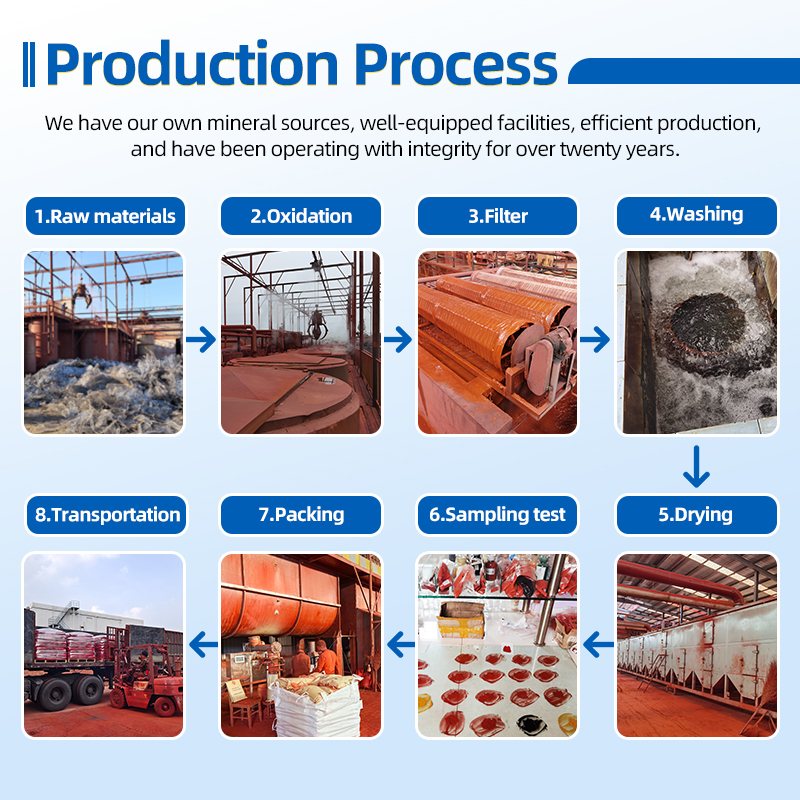
Iron oxide pigments stand as versatile eco-friendly materials that link sustainable living and circular economy, adapting innovatively to diverse demands of green construction, architectural coatings, and interior decoration. Unlike synthetic pigments relying on toxic chemical synthesis or emitting harmful byproducts, iron oxide pigments originate from natural iron ore deposits or eco-friendly synthetic processes. This unique origin endows them with inherent color stability and exceptional weather resistance, traits that distinguish them from conventional coloring materials. Serving as core component in industrial coloring, concrete staining, and architectural finishes, iron oxide pigments transcend single-function roles to become multi-purpose solutions blending natural properties, functional performance, and environmental responsibility.Resource foundation of iron oxide pigments combines natural abundance and ecological harmony. Natural iron oxide pigments are extracted from iron ore deposits rich in hematite and goethite, distributed across diverse geological zones. Synthetic iron oxide pigments are produced via controlled chemical reactions using iron-rich byproducts from steel manufacturing, realizing waste reuse. Extraction and production adhere to strict eco-friendly standards: natural mining adopts surface extraction to avoid deep geological disturbance, and mined areas undergo vegetation restoration; synthetic processes use closed-loop systems to capture emissions and recycle wastewater. Circular economy is practiced in waste management: pigment residues from production are reused as iron supplements in construction materials, minimizing resource waste.Production processes of iron oxide pigments focus on preserving core properties and reducing environmental impact. Natural pigments undergo physical processing: ore crushing, grinding, and sieving to separate pigment particles from impurities, with no toxic chemicals used. Synthetic pigments use low-temperature chemical reactions to control particle size and color shade, avoiding high-energy consumption. Post-production treatment includes washing and drying with solar-powered systems to cut carbon footprint. For specialized applications like architectural coatings, pigments undergo surface modification to enhance dispersion in binders, ensuring uniform coloring without affecting environmental performance. These processes retain iron oxide pigments’ color stability while optimizing compatibility with diverse substrates.Core properties of iron oxide pigments make them irreplaceable across industries. Color stability ensures long-lasting hue retention: they resist fading caused by sunlight, rain, and temperature changes, maintaining consistent appearance in outdoor and indoor environments. Weather resistance allows use in harsh conditions: applied to exterior building surfaces, they withstand extreme heat, cold, and moisture without degradation. Chemical inertness ensures compatibility with concrete, coatings, and plastics, avoiding reactions that alter color or material performance. Non-toxic nature makes them suitable for interior spaces, as they release no volatile organic compounds. Wide color range—from red and yellow to black and brown—meets diverse coloring needs in construction and industrial sectors.Iron oxide pigments excel in diverse application scenarios. Green construction leverages their weather resistance and color stability: added to concrete, they stain pavements, wall panels, and landscape elements, eliminating need for decorative tiles and reducing material waste. Architectural coatings use them to color exterior and interior paints: exterior paints with iron oxide pigments retain color for years, reducing repainting frequency; interior paints offer warm, natural hues that complement modern and traditional design styles. Industrial coloring applies them to plastics and ceramics: mixed into plastic pipes and containers, they provide UV protection and color coding; added to ceramic tiles, they create earthy tones for floors and walls. Concrete staining is a key application: iron oxide pigments penetrate concrete surfaces, creating permanent color that resists peeling and wear, ideal for commercial plazas and residential driveways.Quality control of iron oxide pigments is tailored to specific applications. For architectural coatings, color fastness tests expose pigments to simulated sunlight and rain for extended periods to verify fading resistance. For concrete staining, penetration depth tests ensure color permanence, and compatibility tests check adhesion to concrete substrates. For industrial plastics, heat stability tests confirm color retention at processing temperatures. For interior decoration, volatile organic compound tests ensure non-toxicity. Both natural and synthetic pigments undergo particle size analysis to ensure uniform dispersion, preventing color streaks. Recycled pigment residues undergo purification tests to remove impurities, followed by performance tests to match virgin pigment standards.In conclusion, iron oxide pigments stand as cornerstone eco-friendly coloring materials aligning with sustainable living and circular economy. Their natural or waste-derived origin and eco-friendly production preserve core traits of color stability and weather resistance—traits driving value in green construction, architectural coatings, industrial coloring, and interior decoration. Unlike toxic synthetic pigments that harm ecosystems, iron oxide pigments’ lifecycle minimizes environmental impact from extraction/production to waste reuse. Diverse applications demonstrate versatility: enhancing building durability with weather-resistant finishes, creating healthy indoor environments with non-toxic hues, and enabling sustainable industrial coloring. As demand for eco-friendly, long-lasting pigments grows, iron oxide pigments will remain vital choice, connecting natural resources and industrial needs in sustainable ways. -
Diatomite for sustainable development architectural decoration air purification water treatment eco friendly production porous structure adsorption capacity industrial applications interior finishes
Diatomite emerges as a unique eco-friendly material that links sustainable development and circular economy, adapting flexibly to diverse demands of architectural decoration, air purification, and water treatment. Unlike synthetic materials relying on high-energy production or releasing harmful substances, diatomite originates from fossilized aquatic organisms, carrying inherent porous structure and adsorption capacity. These traits elevate it beyond common industrial materials, making it a core component in interior finishes, industrial filtration, and environmental governance. As societies prioritize eco-conscious living, diatomite transcends single-function roles to become a multi-purpose solution blending nature, functionality, and environmental protection.Resource foundation of Diatomite combines natural abundance and ecological compatibility. Diatomite forms from accumulated fossilized diatoms—microscopic aquatic organisms—over millions of years, with deposits categorized by origin: marine sedimentary diatomite has finer porous structure and stronger adsorption capacity, ideal for air purification and water treatment; freshwater sedimentary diatomite features larger pores and better breathability, suitable for architectural decoration. Extraction of diatomite follows strict eco-friendly protocols: surface mining avoids deep geological disturbance, and mined areas are restored with native vegetation to recover ecological balance. Diatomite processing also embraces circular economy by reusing waste from initial purification—coarse residues are ground into granular form for industrial filtration, minimizing resource waste.Production processes of Diatomite focus on preserving core properties and reducing environmental impact. Processing relies on physical methods to maintain porous structure and adsorption capacity: dry grinding with low-energy equipment replaces high-temperature treatment, ensuring pore integrity; air classification separates particles by size without chemical additives, matching different application needs. Wet processing for high-purity diatomite uses recycled water in closed-loop systems, avoiding wastewater discharge. Eco friendly production is further enhanced by using solar power for drying and capturing dust emissions via cyclone separators. These processes avoid harmful chemicals, keeping diatomite’s natural eco-friendly traits intact.Core properties of Diatomite make it indispensable across industries. Porous structure—with countless tiny pores per unit volume—enables strong adsorption capacity: it effectively traps volatile organic compounds and dust in air, and absorbs impurities in water. Breathability allows moisture regulation: in interior finishes, it absorbs excess humidity and releases it when air is dry, maintaining comfortable indoor environments. Chemical stability ensures durability: it resists corrosion from common substances, suitable for long-term use in industrial and architectural scenarios. Thermal insulation adds value to building materials: mixed into coatings or wallboards, it reduces heat transfer, lowering energy consumption.Diatomite excels in diverse application scenarios, with its porous structure and adsorption capacity unlocking unique value in each field. Architectural decoration and interior finishes stand out as key application areas that fully leverage its breathability and adsorption capacity: diatomite-based wall coatings, mixed with eco-friendly binders, not only purify indoor air by actively trapping volatile organic compounds, dust particles, and even subtle odors from daily life but also regulate humidity dynamically—absorbing excess moisture during rainy seasons to prevent wall condensation and mold growth, and releasing stored moisture when indoor air turns dry, maintaining a comfortable and healthy living environment. Beyond coatings, decorative panels blended with diatomite offer rich natural textures, ranging from fine sand-like smoothness to granular coarseness, which can be matched with different interior styles such as minimalist, rustic, or natural; these panels also retain diatomite’s breathability, avoiding stuffiness in enclosed spaces. Diatomite is also used in interior putty and floor materials, adding eco-friendly attributes while enhancing surface durability. Water treatment fully taps into diatomite’s strong adsorption capacity and porous filtration performance: in industrial wastewater treatment, granular diatomite filters serve as core filtration layers, effectively removing suspended solids, colloidal particles, heavy metal ions, and organic impurities from wastewater generated by manufacturing, printing, and dyeing industries, reducing pollutant content before water discharge or recycling. In drinking water purification, food-grade diatomite (processed through strict purification) acts as a pre-filtration medium, capturing sediment and micro-impurities without altering water’s natural mineral composition, laying a solid foundation for subsequent deep purification. Compared with synthetic filtration materials, diatomite filters have longer service life and are easier to regenerate, aligning with circular economy principles. Air purification applies diatomite’s adsorption capacity in various scenarios: in home and office environments, diatomite-based air filters—integrated into air purifiers or fresh air systems—capture dust, pollen, and pet dander, while adsorbing formaldehyde and benzene released from furniture and decorations. In public spaces like shopping malls and schools, large-sized diatomite filter modules handle higher air volumes, maintaining consistent air quality. Even in automotive air conditioning systems, diatomite-infused filters effectively trap road dust and exhaust particles, improving in-car air environment. Industrial applications of diatomite extend beyond basic filtration: in oil refining, diatomite serves as a filter aid to remove impurities from crude oil and lubricating oil, enhancing product clarity and stability; in fire-retardant materials, diatomite’s porous structure absorbs fire-retardant agents, forming a synergistic effect that slows down combustion and reduces smoke emission, making it suitable for building insulation boards and industrial fireproof coatings. It also acts as a filler in coatings and rubbers, improving product weather resistance and wear resistance while reducing the use of synthetic fillers. Cultural crafts have embraced diatomite’s unique texture and natural properties: artists mix diatomite with water-based paints to create textured artworks, where diatomite’s granularity adds three-dimensional layers to paintings, and its breathability prevents paint cracking over time. Craftsmen also mold pure diatomite or diatomite-clay mixtures into small decorative items such as vases, candle holders, and wall hangings—these items not only showcase natural earthy hues but also regulate humidity in small spaces like bedrooms or study rooms, blending artistic value with practical functionality.Quality control of Diatomite is tailored to specific applications. For air and water treatment, adsorption capacity tests measure ability to trap pollutants and impurities; pore size distribution is analyzed to ensure matching filtration needs. For architectural materials, breathability tests verify moisture regulation performance; durability tests check resistance to wear and humidity. For industrial filtration, particle size uniformity and chemical stability are key indicators. Recycled diatomite residues undergo strict purification tests to ensure they meet industrial standards. These measures guarantee diatomite’s performance across different scenarios. -
Colored sand for sustainable construction eco friendly decoration durable surface application architectural adornment landscape design enhancement industrial coating support decorative craft creation
Colored sand emerges as core material in global construction, decoration, and industrial fields, bridging natural mineral resources and human creative needs. Unlike ordinary sand with monotonous gray hue, colored sand gains vivid tones through natural geological processes or eco-friendly artificial pigmentation, carrying dual advantages of natural texture and stable color. Its application spans from grand architectural facades to delicate craftworks, from urban landscape projects to industrial surface treatments, forming unique industrial chain that aligns with sustainable construction and eco-friendly decoration trends. As industries pursue low-carbon transformation and consumers demand materials with both aesthetic value and durability, colored sand breaks through traditional application boundaries, integrating into urban renewal, rural revitalization, and high-end craft manufacturing scenarios, demonstrating enduring vitality and innovative potential.Raw material foundation of colored sand determines its texture and color expression, with two main sources: natural colored sand and synthetic colored sand. Natural colored sand originates from natural mineral deposits formed through millions of years of geological evolution—quartz sand, feldspar sand, and marble sand are primary carriers, with colors derived from trace elements in minerals or weathering effects. Red colored sand from Yunnan, China, gains its hue from iron oxide trace elements in quartz sand; yellow colored sand from Arizona, USA, comes from feldspar sand containing potassium and sodium oxides; green colored sand from Norway is formed by serpentine mineral weathering, carrying unique emerald tones. Mining of natural colored sand adheres to strict ecological protection standards: in Norway’s serpentine mines, miners adopt selective digging to avoid large-scale vegetation destruction; after extraction, topsoil is preserved and reused for reforestation, with native moss and shrubs planted to restore soil stability. Synthetic colored sand, by contrast, uses high-purity natural sand (such as quartz sand with low impurity content) as base material, then undergoes surface pigmentation with eco-friendly inorganic pigments. Pigments used are mainly iron oxide, titanium dioxide, and chromium oxide—non-toxic, light-resistant, and chemically stable, ensuring colored sand retains color without releasing harmful substances. This dual raw material system not only secures diverse color supply but also adapts to different application scenarios: natural colored sand is preferred for projects pursuing earthy texture, while synthetic colored sand dominates fields requiring uniform color and high consistency.Production process of colored sand combines natural processing and modern eco-friendly technology, ensuring product quality while minimizing environmental impact. For natural colored sand, mined mineral sand undergoes physical processing: first, crushing into coarse particles using jaw crushers, then screening to remove oversized impurities; subsequent washing with clean water removes dust and clay, preserving natural mineral luster; drying in solar-powered drying yards (instead of fossil fuel heaters) reduces energy consumption; final screening classifies particles into different sizes—fine sand (0.1-0.3mm) for coatings and crafts, medium sand (0.3-0.6mm) for landscape paving, coarse sand (0.6-1.2mm) for architectural aggregates. Synthetic colored sand production follows strict environmental procedures: base sand is first purified to remove impurities that affect pigment adhesion; then mixed with inorganic pigments and small amounts of eco-friendly binders in rotating drums, ensuring uniform pigment coating on sand surface; curing at moderate temperatures (avoiding high-temperature calcination that increases energy use) enhances color fastness; final cooling and screening ensure particle size consistency. Both production modes avoid toxic chemical additives and excessive energy consumption: natural colored sand processing uses only physical methods, while synthetic colored sand uses water-based binders and low-temperature curing, embodying eco-friendly production principles.Core characteristics of colored sand—natural texture, color stability, durability, and compatibility—make it indispensable across diverse industries, setting it apart from ordinary decorative materials. Natural texture is most distinctive trait of colored sand: each particle retains natural mineral lines and roughness, creating unique tactile and visual effects. When used in architectural facades, colored sand forms matte or semi-matte surfaces that reflect soft light, avoiding glare caused by smooth materials; in craftworks, its granular texture adds three-dimensional sense, making works more lifelike. Color stability is another key advantage: natural colored sand’s hues come from inherent mineral components, resisting UV radiation and weathering; synthetic colored sand uses inorganic pigments with strong light resistance—colored sand used in outdoor landscapes retains original tone for over 15 years, while organic-pigmented materials might fade to pale shades within 3 years. Durability of colored sand is verified in practical applications: when mixed into concrete, it increases surface abrasion resistance by 40%, making it suitable for high-traffic areas like shopping mall floors; when used as coating additive, it enhances film hardness, preventing scratches and cracks. Compatibility is also notable—colored sand mixes seamlessly with concrete, mortar, paint, epoxy resin, and plastic, adapting to diverse processing techniques such as spraying, paving, casting, and bonding. This versatility allows colored sand to integrate into multiple industries, from construction to crafts, meeting varied functional and aesthetic needs.Construction industry integrates colored sand into diverse projects, from sustainable buildings to historical renovations, enhancing both functionality and aesthetics. Green building projects, a core part of sustainable construction, widely use colored sand in exterior and interior decorations. For example, low-carbon office buildings in Berlin, Germany, use red and yellow natural colored sand mixed into exterior wall mortar; the earthy hues blend with surrounding urban greenery, while sand’s thermal insulation performance reduces indoor heating demand by 30%. Historical building renovations prioritize natural colored sand to maintain architectural authenticity—restoration of ancient castles in France uses gray and brown natural colored sand to replicate original stone wall textures, with sand particle size adjusted to match historical masonry, ensuring consistency in touch and appearance. Residential construction uses colored sand in decorative elements: yellow synthetic colored sand mixed into floor tiles creates warm, comfortable living spaces; red colored sand used in kitchen backsplashes adds vivid focal points without losing natural texture. Infrastructure projects like pedestrian bridges and plazas use colored sand in paving materials: blue and green colored sand mixed into concrete paving blocks form pattern resembling riverbeds, enhancing urban landscape continuity; coarse colored sand added to anti-slip coatings on bridge surfaces improves walking safety in rainy weather. Construction engineers value that colored sand is compatible with various construction materials, including cement, lime, and gypsum, without affecting structural strength, while adding unique aesthetic value.Landscape design industry relies on colored sand to create natural, durable outdoor spaces that blend with ecological environments. Urban parks and gardens are major application scenarios: brown natural colored sand is used in dry landscape gardens to simulate sand dunes, matching with rocks and succulents to create Zen-style spaces; blue synthetic colored sand lines artificial streams, mimicking clear water effects with its vivid hue. Children’s playgrounds use colored sand in safety surfaces and decorative elements: red and yellow fine colored sand mixed into rubber mats forms soft, non-toxic playing surfaces; colored sand-filled plastic modules spell out cartoon patterns, attracting children while ensuring safety. Residential courtyard design uses colored sand in diverse ways: white colored sand surrounds flower beds to highlight plant colors; black colored sand paves small paths, creating contrast with green lawns. Public waterfront projects use colored sand to resist water erosion: in Singapore’s Marina Bay, brown and gray colored sand mixed into concrete revetments forms natural stone-like surfaces that withstand wave impact, while blending with coastal landscape. Landscape architects emphasize that colored sand’s natural texture and stable color reduce maintenance needs—outdoor colored sand decorations rarely require repainting or replacement, even after years of rain and sunlight exposure.Decorative and craft industries use colored sand to create unique works that combine aesthetics and durability, spanning interior decoration, handcrafts, and art installations. Interior decoration trends favor natural elements, making colored sand popular in wall finishes and decorative art. Boutique hotels in Tokyo, Japan, use green and brown natural colored sand in lobby wall murals; artists spread colored sand on adhesive backgrounds to form mountain and forest patterns, with granular texture adding depth and realism. Residential interiors use colored sand in custom decorations: blue synthetic colored sand mixed into epoxy resin creates desktop with ocean-like appearance; red colored sand embedded in wooden photo frames adds natural warmth. Handcraft manufacturing is major application field for colored sand: craft makers in Mexico use fine colored sand to create sand paintings, layering different hues to form vivid folk patterns; in China, colored sand is filled into glass bottles to make three-dimensional landscape ornaments, with color combinations reflecting seasonal changes. Public art installations use colored sand for temporary or permanent displays: in Paris’s Champs-Élysées, artists used 100 tons of colored sand to create giant ground murals depicting city history, which remained intact for two months despite heavy foot traffic; permanent artworks in urban squares use colored sand mixed into concrete to form abstract patterns, resisting weathering and retaining artistic value for decades.Industrial manufacturing sectors beyond construction and decoration integrate colored sand to enhance product performance and appearance. Coatings and paints industry uses colored sand as functional additive: fine red colored sand added to exterior wall paints creates textured finishes that hide wall defects; black colored sand mixed into industrial coatings for machinery enhances wear resistance and heat dissipation. Plastics and rubber industry uses colored sand to add texture and color: yellow colored sand mixed into plastic outdoor furniture prevents UV-induced fading while adding non-slip texture; green colored sand added to rubber floor mats for gyms increases friction and durability. Ceramic industry uses colored sand in glaze formulations: brown natural colored sand mixed into ceramic glazes creates rustic floor tiles mimicking natural stone; blue synthetic colored sand added to porcelain vases forms unique speckled patterns. Packaging industry uses colored sand in eco-friendly packaging materials: colored sand embedded in cardboard boxes for luxury goods adds tactile texture, enhancing brand image while remaining recyclable. Manufacturers across sectors appreciate that colored sand is non-toxic and complies with global safety standards, making it suitable for consumer products ranging from children’s toys to household appliances.Urban public facility construction leverages colored sand to create durable, aesthetically pleasing spaces that serve community needs. Public transportation hubs, such as subway stations and bus terminals, use colored sand in decorative and functional elements: gray synthetic colored sand mixed into wall finishes hides dirt and reduces cleaning frequency; red and yellow colored sand used in floor markings guides passenger flow clearly. Street furniture, including benches and trash cans, uses colored sand in surface treatments: brown colored sand mixed into concrete benches resists rain and sun damage, maintaining natural appearance for years; green colored sand added to plastic trash can surfaces adds visual appeal while preventing scratches. Urban signboards and public artworks use colored sand for high visibility and durability: blue colored sand mixed into epoxy resin forms traffic sign backgrounds that remain vivid in strong sunlight; colored sand used in community murals depicts local culture, with stable colors resisting graffiti and weathering. Urban planners note that colored sand’s low maintenance cost and natural aesthetics align with smart city goals of efficient resource utilization and human-centric design.Quality control of colored sand runs through entire production and application process, ensuring product consistency and performance. Raw material inspection focuses on purity and color stability: natural mineral sand is tested for impurity content using X-ray fluorescence spectrometry; synthetic base sand is analyzed for particle size distribution to ensure pigment adhesion. In-process testing monitors key parameters: particle size is measured with laser diffraction analyzers; color coordinates are checked with spectrophotometers to ensure batch uniformity. For synthetic colored sand, additional tests include pigment adhesion (rubbing sand particles to check for color loss) and light resistance (exposing samples to simulated sunlight for 1000 hours). Final product testing includes durability evaluations: abrasion resistance testing uses rotating sandpaper to assess surface wear; water resistance testing soaks samples in water for 72 hours to check for color bleeding. Manufacturers provide detailed quality reports for each batch, including test data and production records, to ensure traceability. Third-party certification bodies, such as ISO and ASTM, conduct regular audits to confirm that quality control systems meet international standards.

-
Iron oxide pigments for sustainable construction coloring eco friendly production process color stability performance multi scene adaptation durable coating application decorative material enhancement
Iron oxide pigments are inorganic colorants derived from iron oxides. They come in various colors, including red, yellow, and black, thanks to different oxidation states of iron. These pigments are highly stable, resistant to UV radiation, weathering, and chemicals. Widely used in paints, coatings, plastics, and construction materials, they not only provide rich, long – lasting colors but also enhance product durability, making them essential in modern manufacturing.
-
Himalayan Salt Brick Natural Formation Aesthetic Interior Decoration Ambient Home Decor Commercial Space Enhancement Unique Texture Adornment Office Decoration
Himalayan Salt Brick comes from ancient salt deposits deep within Himalayan Mountains. These deposits formed over millions of years as ancient seas evaporated, leaving behind layers of pure salt that gradually compressed into solid blocks. Himalayan Salt Brick carries unique characteristics that make it stand out in various decorative and functional applications. Its appearance varies from soft pink to deep red, with subtle veins running through each piece, creating one-of-a-kind look that no other decorative material can replicate.Himalayan Salt Brick has become popular choice for interior decoration due to its natural beauty and versatile nature. Many homeowners and designers incorporate Himalayan Salt Brick into living spaces to add touch of warmth and elegance. For example, installing wall made of Himalayan Salt Brick in living room serves as striking focal point. When light hits surface of Himalayan Salt Brick, it reflects soft, warm hues that fill room with cozy atmosphere. This kind of natural illumination enhances overall ambiance, making space feel more inviting and comfortable.Commercial spaces also benefit from use of Himalayan Salt Brick. Cafes and restaurants often use Himalayan Salt Brick to create unique dining environments. Some cafes line walls with Himalayan Salt Brick, pairing them with wooden furniture and soft lighting to create rustic yet modern vibe. Customers are drawn to such spaces not only for food but also for distinctive decor that Himalayan Salt Brick brings. Retail stores, especially those selling natural or artisanal products, use Himalayan Salt Brick as part of their display areas. It complements products and conveys sense of naturalness and authenticity that resonates with consumers.Hospitality venues like hotels and resorts recognize value of Himalayan Salt Brick in enhancing guest experiences. Lobby areas adorned with Himalayan Salt Brick walls or columns make strong first impression on guests, showcasing attention to detail and unique design sense. Some resorts even use Himalayan Salt Brick in common areas like lounges or spa reception areas, as its natural appearance aligns with relaxing and rejuvenating themes of such spaces. Himalayan Salt Brick’s ability to blend with different design styles—from rustic to contemporary—makes it suitable for wide range of hospitality settings.Beyond large-scale installations, Himalayan Salt Brick is also used in smaller decorative pieces. Craftsmen cut Himalayan Salt Brick into various shapes to create decorative accents like coasters, candle holders, and small wall hangings. These small items allow people to incorporate charm of Himalayan Salt Brick into their spaces without major renovations. Candle holders made from Himalayan Salt Brick are particularly popular; when candle is lit inside, heat causes Himalayan Salt Brick to emit soft glow, casting warm light around room and creating peaceful mood.Texture of Himalayan Salt Brick is another key attribute that adds to its appeal. Unlike smooth synthetic materials, Himalayan Salt Brick has slightly rough, natural surface that adds tactile dimension to any space. Running hand over wall made of Himalayan Salt Brick reveals subtle irregularities, reminding users of its natural origin. This texture also plays role in light reflection—it scatters light gently, avoiding harsh glares and contributing to soft, diffused illumination that is easy on eyes.Sustainability of Himalayan Salt Brick is major factor in its growing popularity. As consumers and designers increasingly prioritize eco-friendly materials, Himalayan Salt Brick stands out as natural, renewable resource. Extraction processes for Himalayan Salt Brick are designed to minimize environmental impact, ensuring that delicate ecosystem of Himalayan region is protected. Using Himalayan Salt Brick in decor allows individuals and businesses to make environmentally conscious choices without compromising on style or functionality.Durability of Himalayan Salt Brick is another advantage that makes it suitable for long-term use. When properly installed and maintained, Himalayan Salt Brick can last for many years. It is resistant to wear and tear, making it ideal for high-traffic areas like commercial lobbies or retail stores. Maintenance requirements are minimal—regular dusting with soft cloth is usually sufficient to keep Himalayan Salt Brick looking its best. Avoiding excessive moisture is important, as salt can absorb water, but with proper care, Himalayan Salt Brick retains its beauty and integrity over time.Designers often appreciate versatility of Himalayan Salt Brick. It can be used alone to create bold statement or combined with other materials to enhance overall design. Pairing Himalayan Salt Brick with wood creates warm, earthy look that is perfect for cabins or rustic-style homes. Combining it with metal accents adds modern touch, making it suitable for contemporary spaces. Himalayan Salt Brick also works well with plants, as its natural appearance complements greenery, creating fresh and vibrant environment.Cultural significance of Himalayan Salt Brick also adds to its allure. For centuries, communities living near Himalayan Mountains have valued salt from region for its purity and natural properties. Today, Himalayan Salt Brick carries on this legacy, serving as connection to ancient traditions and natural world. Using Himalayan Salt Brick in decor allows people to incorporate piece of this rich cultural heritage into their daily lives, adding depth and meaning to their spaces.Another application of Himalayan Salt Brick is in creating decorative partitions. In open-concept spaces, partial wall made of Himalayan Salt Brick can separate different areas while maintaining sense of openness. These partitions allow light to pass through slightly, ensuring that space remains bright and airy. They also add visual interest, breaking up monotony of large open areas without making them feel cramped.Himalayan Salt Brick is also used in outdoor spaces, although with more consideration for weather conditions. Covered patios or outdoor lounges can feature Himalayan Salt Brick accents, bringing natural beauty of material to outdoor living areas. When used outdoors, it is important to protect Himalayan Salt Brick from direct rain or snow, as excessive moisture can cause degradation. With proper covering or shelter, Himalayan Salt Brick can enhance outdoor spaces just as effectively as indoor ones.Artists and craftsmen often use Himalayan Salt Brick as medium for creating unique art pieces. Sculptors carve Himalayan Salt Brick into various forms, from abstract shapes to intricate designs. These art pieces are displayed in galleries, homes, and commercial spaces, showcasing versatility of Himalayan Salt Brick as artistic material. Each sculpture is unique due to natural variations in salt, making them highly sought-after by art enthusiasts.Trend of using natural materials in decor has further boosted popularity of Himalayan Salt Brick. As people seek to escape hustle and bustle of modern life, they turn to materials that bring sense of calm and connection to nature. Himalayan Salt Brick, with its natural origin and warm appearance, fits perfectly into this trend. It creates spaces that feel peaceful and grounded, providing retreat from chaotic world outside.Himalayan Salt Brick’s ability to emit warm glow when exposed to light is one of its most beloved features. This glow is not harsh or artificial but rather soft and soothing, similar to glow of sunset. Many people use Himalayan Salt Brick in bedrooms or meditation spaces, as light helps create relaxing environment conducive to rest and mindfulness. Even in well-lit rooms, Himalayan Salt Brick adds subtle warmth that enhances overall mood of space.When it comes to installation, Himalayan Salt Brick requires skilled professionals who understand properties of material. Proper installation ensures that bricks are securely placed and that moisture is kept at bay. Installers may use special adhesives or mortars designed for salt materials to ensure long-lasting hold. Taking time to find experienced installers is important to ensure that Himalayan Salt Brick installation looks beautiful and stands test of time.Variety of sizes and shapes available in Himalayan Salt Brick also contributes to its versatility. From small, thin bricks used for accent walls to large, thick blocks used for structural elements, there is Himalayan Salt Brick suitable for any project. Some manufacturers even offer custom cuts, allowing designers and homeowners to create unique configurations that fit specific needs of their spaces.Himalayan Salt Brick’s natural color variations are another reason for its popularity. No two pieces of Himalayan Salt Brick are exactly alike—some are light pink with faint veins, while others are deep red with bold patterns. This variation adds character to any installation, ensuring that each Himalayan Salt Brick project is one-of-a-kind. Designers often embrace these variations, using them to create dynamic and visually interesting spaces.In addition to decorative uses, Himalayan Salt Brick is sometimes used in educational settings. Museums or nature centers may use Himalayan Salt Brick to demonstrate formation of sedimentary rocks or to teach about natural resources of Himalayan region. Its tangible nature makes it excellent teaching tool, helping visitors connect with geological processes in hands-on way.As demand for Himalayan Salt Brick grows, manufacturers are finding new and innovative ways to use material. From decorative ceiling tiles to custom-built fireplaces, possibilities are endless. This constant innovation ensures that Himalayan Salt Brick remains relevant in ever-changing world of interior design and decor.One of most appealing aspects of Himalayan Salt Brick is its ability to transform ordinary spaces into extraordinary ones. Simple room can become warm and inviting with addition of Himalayan Salt Brick accent wall. Commercial space can stand out from competitors with unique Himalayan Salt Brick decor. This transformative power is what makes Himalayan Salt Brick such valuable material in world of design.Himalayan Salt Brick also resonates with people who value authenticity and simplicity. In world filled with mass-produced, synthetic materials, Himalayan Salt Brick offers natural, genuine alternative. It is material that tells story—story of ancient seas, mountain landscapes, and time-honored traditions. This authenticity strikes chord with many, making Himalayan Salt Brick more than just decorative material but symbol of connection to nature and heritage.When considering decor options, many people are drawn to Himalayan Salt Brick because it is both functional and beautiful. It not only adds visual appeal to spaces but also contributes to comfortable and inviting atmosphere. Its durability ensures that it is sound investment, providing long-lasting beauty and functionality. Whether used in homes, commercial spaces, or hospitality venues, Himalayan Salt Brick never fails to impress.In conclusion, Himalayan Salt Brick is versatile, sustainable, and aesthetically pleasing material that has earned its place in world of interior design and decor. Its natural origin, unique appearance, and transformative properties make it popular choice for homeowners, designers, and businesses alike. From bold accent walls to delicate decorative pieces, Himalayan Salt Brick offers endless possibilities for enhancing spaces and creating environments that are warm, inviting, and full of character. As trend toward natural and eco-friendly decor continues to grow, Himalayan Salt Brick is sure to remain staple in design world for years to come.